by Wendy Ida | Apr 29, 2019 | Blog
Hope you had an amazing Easter and are looking forward to the beautiful months ahead.
Lately, I’ve been asked a question that seems to reoccur over and over again for many years now.
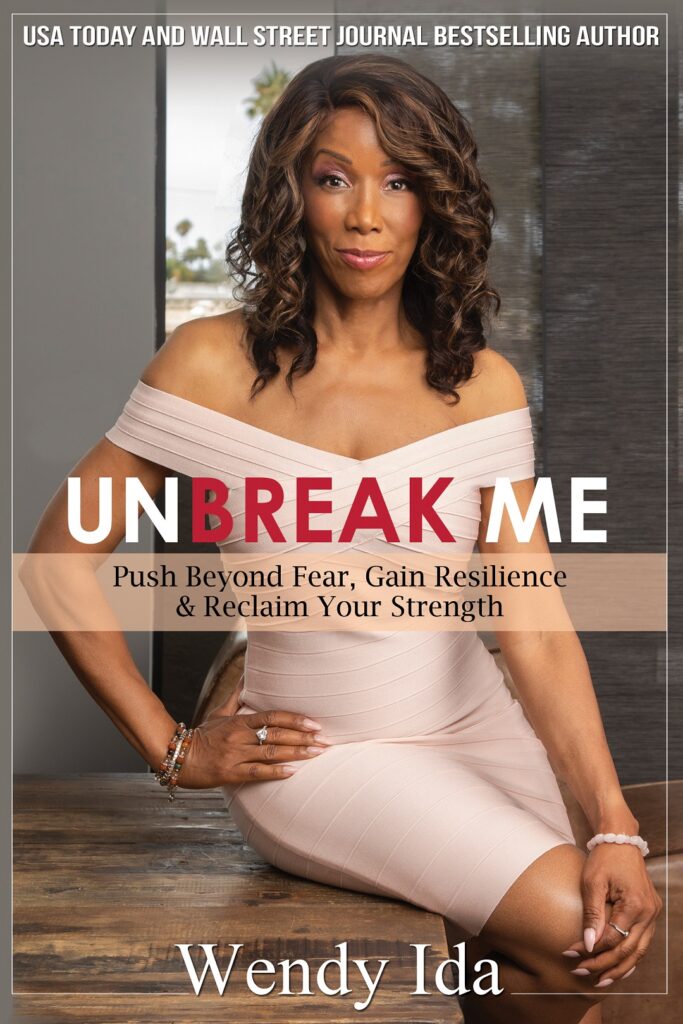
“Wendy how did you do it? How did you transition from your life as a victim of domestic violence and losing 80lbs to winning awards, writing bestseller books and being so inspirational?”
My response is this: The day I made the decision to push through my fears and start believing in myself and believing that the process of achieving health & getting my life back could work for me…it did.
It doesn’t matter what your problems are or how long you’ve held on to them you can be free of them today. You have to let the resentment go, let the fear go and stop being angry with what happened to you in the past. Forgive yourself and others so you can be set free. TODAY you can experience miracles if you set the intention and make the decision that (come hell or high water) you will be stronger, healthier, wealthier or have more satisfying relationships. Once you decide things will magically align and be in divine order.
It works for me every time.
This process can be challenging but nevertheless achievable. If I can assist you in how to break down this process so it works optimally for you please do not hesitate to contact me by email at: info@wendyida.com
 I’m looking forward to the month of May because it’s my birthday which feels like Christmas for me!
Sparks fly with online parties, LIVE presentations (May 23rd- Register below)
https://wendyida.com/tbyf-live-stream/
AND my private coaching specials plus other products – 30% off all month long!
So look out for all of it on Facebook, Twitter, Instagram, LinkedIn, see my website at wendyida.com under the tab “work with Wendy” or just send me an email and ask me about my birthday specials.
Hot dog! So nothing is stopping you now! Let’s party!!!

by Wendy Ida | Mar 29, 2019 | Blog
 Does age have you by the throat because you’re feeling like you don’t matter anymore or somebody told you that you’re too old, too sick or too tired to make a difference in the world? NONSENSE
If you ascribe to any of that chatter I guess you didn’t hear that times have changed! AARP, however, is making sure more people get the message through their Magazine and videos and I am honored to be among them this month.
See for yourself…Click Photo.
The good news is…it’s not too late for you to become a part of this change. Whether you are over 40,50, 60 or more –these are the most exciting times of your life. Contrary to what some believe you can STILL make an undeniable impact in the world.
If you’ve lived this long you have the gift of WISDOM, but you have to use it wisely if you truly desire to make an impact and not waste it on trivial things.
You also have POWER if you have wisdom and that power can make a tremendous impact on your life and the lives of others around you.
The question however is…will you choose to take advantage of your gifts.
You have two choices. You can be a bystander and wait for life to play out for you OR you can get there with intention and take control of every opportunity regardless of how uncomfortable you feel. As a result, you can have the best joy ride of your life!
I am committed to the joyride. What are you committed to?
To get your mojo back you have to: Stay relevant, Get creative, Stay active and reinvent yourself.Otherwise, you lose that spark and become old and outdated.
This is your lifeline.
Here’s what I know. Taking good care of yourself in the way you know you should is often difficult. Busy days and nights take its toll on our bodies, minds and souls that causes our motivation to wane.
I get it. Been there done that. I know how daunting that cycle can be. But here’s what I also know. You can rise up out of that cycle. You CAN do better and I am dedicated to giving you the tools you need to succeed.
If you are ready to make a change, but finding it difficult to do so and…
If you find yourself staring at the walls because you don’t know what to do next, let me know and I’d be happy to point you in the right direction.
Isn’t it time you trusted yourself enough to do something different so you can get different results.REAL RESULTS!
________________________________
For more information on how you can work with me send me a note by clicking here –> https://wendyida.com/contact/
wendyida.com
by Wendy Ida | Jun 14, 2018 | Blog
Dreams Don’t Work Unless You Do – So Get Ready to Take Action
 I’ve met all kinds of people over the years, at all ages and stages – and all different kinds of “ready”. Are you READY to embrace your new life? Keep reading…. You could be closer than you think! Which one of these sounds like you?
1. READY AND ROLLING
These people have already taken the first steps toward embracing change in their lives. They KNOW what works for them. They KNOW what they want to achieve. And they’ve already reshaped their lives to make room in their life for the changes that they’re seeking. What does someone like this need with a coach? STRUCTURE and KNOWLEDGE. Even an elite athlete like Serena Williams has a coach to help her stay on top of her game. Many celebrities at the top of their professions do the same.
IF THIS IS YOU, then the one thing you need to remember is to be OPEN to your coach’s guidance. You’ve gotten this far. Your coach can help you reach new levels of greatness – IF you let her.
2. READY AND WILLING
Some people are so READY to change that they’re practically leaping off the starting line – they just need a little push to get going, and some motivation to stay the course. They’ve realized that their current habits and mindset are working against them. They have a pretty realistic idea about where they want to go, even if they don’t have all the details worked out. What these people need is ACCOUNTABILITY and GUIDANCE. They need someone to stay with them, to help them keep moving toward their goals, and to help guide them through the decisions down the road that they haven’t anticipated.
IF YOU ARE HERE, then trust me – when you get rolling, you are going to do great things. The important thing to do is to LISTEN to your coach. And give her FEEDBACK, too, about what really works for you and what’s only OK. Let’s be honest – once you start, not every day is going to be super-fantastic goal-smashing. Change is hard work, and it takes time! But over time you will see your goals getting closer and closer. And the next thing you know, you’ll be making new ones.
3. READY AND WAITING
Some people WANT to change their lives… or at least they want their lives to change. But they can’t quite see HOW to take the first step, or they have trouble believing that they can really do it. These people are right on the cusp – the tipping point of being READY. It’s a special place to be. We’ve all been there. What people need most at this stage is ENCOURAGEMENT to take the plunge, and INSPIRATION to trust their vision for a better future.
IF THIS IS WHERE YOU ARE, take heart! You’ve already taken the first step toward change, just by realizing that things don’t have to stay the same forever. Think about your vision and what your first step toward it is. Ask yourself what’s holding you back from that first step. Often it’s a practical concern like money or family. I get it! Sometimes reality has you under a rock, and you feel you need stay there to protect yourself – personally, financially, or otherwise. Concerns like this can look like huge, insurmountable roadblocks, and make you feel like you’re not READY.
But hang on! You’re closer to READY than you think. Trust your vision. Start figuring out what to do to make room in your life for the changes you want. Push ahead and commit to that action. And when you do… guess what? Doors WILL open. It’s true! New resources or opportunities will come through that you didn’t expect – because you never asked. Roadblocks will come down… or you will find a different route. It happens when you “go all in” and commit to action – and it doesn’t happen until you COMMIT.
What do you need from your coach at this stage? First, you need someone who will help you refine your VISION and design a roadmap to make it reality. Second, you need someone to help you understand your PRIORITIES and carve out space for you amid the chaos of uncertainty. Most importantly, you need a coach who will focus on your whole life, not just one part of it.
Take Action
 So let me ask again…. Are you ready? Maybe a better question is – what are you ready FOR? However far along you are in transforming your life, take confidence! When you take action, look out – change will blossom in your life!
Ready…. Set…. Go!
SaveSave
SaveSave
SaveSave
SaveSave
SaveSave
SaveSave
SaveSave
by Wendy Ida | May 17, 2018 | Blog
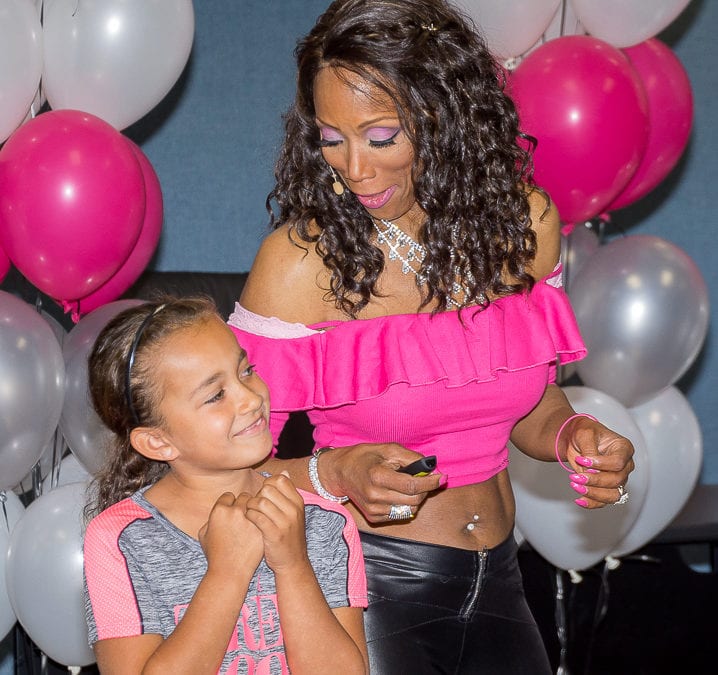
 A few months ago, a trainer based in Atlanta contacted me on Facebook asking if I would leave an encouraging word for one of his clients. 58 years old, 5 feet-4 inches tall, with two adult children, she had struggled with motivation until her trainer showed her a few photos of me, and then gave her my book, Take Back Your Life.
“There were several similarities in your story and hers,” he wrote to me. “You became a living, breathing visual aid that gave her a clear picture of where in fitness I was trying to take a woman her age. Your example took away all of the excuses that could possibly haunt her.”
Wow!
I’ve been working in this business for over 22 years now helping people reinvent their lives, but it’s always a little breathtaking to hear that I’ve been a source of inspiration in helping someone turn the corner on their goals–even (or maybe especially) when I’ve never had the pleasure of meeting them personally. What a blessing and an honor!
Don’t get me wrong…. I’m aware that I’m an inspiration to other people. Looking back on MY story even inspires me! That’s one of the reasons why I decided to take this path and do what I do. It was the best thing I could do to make use of the gifts I’ve been given. The fact that it took me 40-plus years before I uncovered those gifts just makes the whole experience that much sweeter.
But hear me when I say this: YOU can be an inspiration, too. Whether you believe it now or not.
I hear you saying, “No, not me.” Yes, you! BUT… there are two things you need to do first.
FIRST, you HAVE to take care of you.
Take care of you by honoring yourself and cleaning your own “house”. Your body. Your mind. Your long-term health. Your personal safety. This is NOT selfish! When you do this, you honor your Creator–because your life and your body are gifts, and you are honoring the Giver by taking care of them.
SECOND, get yourself a TEAM.
It’s not easy taking control of your life, and you shouldn’t do it alone. Find your tribe. The ones that “get” you. The person that has stuck with you through it all. The gang down at the gym that is rooting for you. The friends that love dancing to the same music you do. A co-worker or classmate. A teacher. Or a coach–that’s what we’re here for! Finding my tribe is how I made it to where I am now–sticking with me through hell and back! Unconditional love from your support team is what will help you shut out your fears and become empowered.
And as you enjoy the company of your tribe and start to get your own house in order, guess what…? People will notice. Your family, your kids. Friends and coworkers. Even folks in the grocery store… at the bus stop… in the deli where you grab lunch. These people already see you almost every day. And as they see the changes you’re making, you WILL become an inspiration–a living, breathing example that makes their excuses evaporate.
There’s a quote I like that says, “Be strong–you never know who you are inspiring.” But there are many different kinds of strength. Physical strength. Determination. Strength of character. The courage to take the first step. The courage to keep showing up and moving a little bit closer to your goals every day. You don’t have to sit in fear. You don’t have to keep moving in circles.
Decide to honor yourself, and find your tribe. Then you’ll find that you can have the life you’ve always dreamed of. AND you can live and act in a way that inspires other people to make positive changes in their lives, too!
Because you never know who is watching!
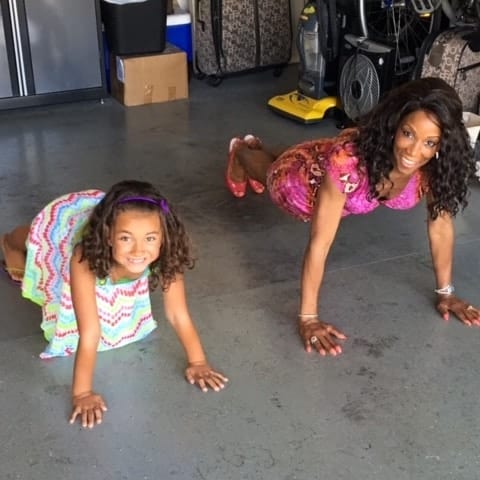
I enjoy watching my granddaughter Aubrey watch me… AND mimic my moves!
SaveSave
SaveSave
SaveSave
SaveSave

by Wendy Ida | Apr 11, 2018 | Blog
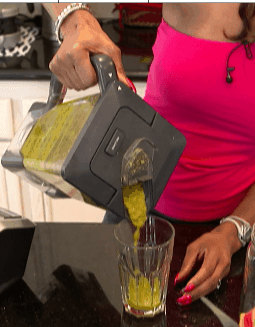 I’ve said it before and I’m saying it again…. Exercise is just a small part of the story when it comes to overall fitness and healthy living. Your mentality–your mindset and your commitment to yourself–are the most important factors. But you also need to pay careful attention to what you’re putting IN your body. You know that good, healthy food is important. But there’s an important step that a lot of people miss: CLEANSING.
Cleansing prepares your body to absorb and use ALL of those good nutrients that you’re eating. Preparing your body ahead of time to use and absorb what you eat is the step most people miss!
Think about this…. If you bought a fine vase, you wouldn’t display it on a table strewn with old magazines and television remotes, would you? Of course not. It would take away from the beauty and more importantly the function for which it was intended. The same is true with your body. Cleaning on the inside will prepare it to function the way it should, to the highest possible degree. That’s why I say–what you put in your body is just as important as what you do with it.
Cleansing is not as hard as you might think, either. I’ve found a really gentle cleanse that is easy on your body and can be done by the most squeamish person. By the way, I’m squeamish. (LOL!) So I was careful in choosing. I’ve always supported doing a cleanse, but in the past I didn’t necessarily recommend a particular cleansing program because some don’t have good scientific research to support their claims. However, I’ve found a cleanse now that gets consistently good results and has been confirmed by a number of well-designed clinical studies.
Why should you cleanse?
 Well, besides making you feel like a million bucks and kick-starting a healthy nutritional lifestyle, cleansing has two other huge benefits. First, it actually helps you lose fat, not muscle–including visceral fat (the abdominal fat deep within your core, around your organs) that is tied to a higher risk of heart attacks and Type 2 diabetes. It also helps your body flush out toxins–especially environmental toxins that you have absorbed over the years–which are stored in fat cells.
Other benefits include
- Supporting healthy aging by reducing age-related tissue damage
- Improving athletic performance for both men and women
- Improving blood vessel health
- Enhancing weight loss and improving body composition
- Supporting long-term weight maintenance
One of the big differentiators in the cleanse I use is that it helps your whole body, all the way down to the cellular level! Not just your gastrointestinal tract, but also your liver, colon, circulation, and your lymphatic system. And it reduces inflammation throughout your body. Compared to people on a standard “heart-healthy” diet, both men and women on this cleansing plan lost more weight and more body fat (twice as much visceral fat) and saw greater improvements in cardiovascular health. They also found the plan convenient and easy to stick to, unlike the conventional dieters in the studies!
It’s no secret that cleansing is the best way to start your healthy lifestyle!
 If you desire weight loss, better energy, performance training, or just aging gracefully, I can help connect you with the right system to meet your goals. The system I use is easy and flexible and comfortable for any busy lifestyle. On top of that, I’ll stick with you to help you stay with it and get the most out of the cleanse!
Cleansing is a great way to start your journey to finally reaching your goals and dreams. But it’s only one step. Consistent, good nutrition is also important. More talk on that coming up in my subsequent blogs!
Want to learn more about my cleansing program? Send me an email at info@wendyida.com!
SaveSave

by Wendy Ida | Mar 14, 2018 | Blog, Take Back Your Life
THE BEST KEPT SECRET TO REACHING YOUR GOALS!!
 Are you feeling stuck while others seem to be getting their groove on? Have you ever wished you could press the fast-forward button to reach your goals and dreams too? Well, believe it or not, YOU CAN!
So have no fear because the answer is clear. The fact is… you may need a coach!
The best of the best have coaches. Actors like Tom Cruise, Julia Roberts, and Denzel Washington all have coaches. Business moguls like Larry Page of Google and Howard Shultz of Starbucks have coaches. That’s why they are great! I have a coach, too–and it has made all the difference in helping me move ahead at a faster pace.
What does a coach do?
When you commit to a big life change, getting a coach may not be the first thing you think of. There are so many do-it-yourself guides, apps, websites, gyms, classes…. With all the information and tools out there, you can put together your own program. Right?
Well, maybe some can. There are lots of things people can do on their own. But it may be harder than it has to be. And the results won’t be as good or lasting as they could be. And the risk of failure–or giving up–are high! (Ask an experienced real estate agent how “For Sale by Owner” home sales work, and they’ll tell you: “Not well!”)
In the 1800s, the word “coach“ was college slang for someone that helped “carry” a student over the finish line with exams. It was later used with sports teams, but originally it meant a one-on-one relationship. Someone that gets from where you are now to where you want to be in the future–that’s a coach, pure and simple.
A coach’s specific qualifications will depend on the subject area, but in all cases the coach brings three things to the table: structure, accountability, and my favorite: MOTIVATION!
Structure
A coach’s job is to help you get to your goal. This means, first, helping you understand your desires and set a good, achievable, realistic end goal–as well as interim goals to keep you on track.
What do I mean “achievable” and “realistic”? Think of it like this: if you’re five feet tall and an adult past your growing years, then “being 5’8″ tall” is not a reasonable, achievable, or realistic goal for you! (No matter how much milk you drink or visualization you practice!) Working seriously toward that goal is only likely to make you less healthy and less happy–and anyone who says they can help you probably doesn’t have your best interests at heart.
As a coach, I would want to know instead, “Why do you say you want to be taller? What do you mean? What are you seeing in your head?” Is it a healthier you? More confident? Poised? Successful? Well, that’s different! Those are achievable–and height has nothing to do with them.
Besides understanding your desires and setting goals, a coach also helps you understand and tackle the work to get there. This is important, because there is so much information out there–some good, some not so good. You could read a whole library of books before finding an approach that works for you. Or… you can talk to a coach, who has read lots of those books, put those methods–and others–to the test, and helped people in circumstances similar to yours.
“Today we’ll start with X and go on to Y…” “Next week, we’ll talk about Z…” A coach brings structure by setting the agenda–for the month, the week, the day, the hour, or just the next ten minutes–so you don’t have to stop and figure out what to do next. Instead you can keep your momentum and energy focused on working hard.
Accountability
This brings me to another thing every coach provides. Progressing along your path to success requires accountability. This CANNOT be overstated. If structure is the roadmap, accountability is what keeps you tuned up and ready to roll.
You might think you can have accountability by yourself or with an app. Well, let’s think about that. An app–like a book or a checklist–is just a tool for focusing your own willpower. It can be a good place to start. It can provide a little structure, maybe nag you with notifications. But when things get hard, it’s easy for you to stop checking in–to ignore or turn off the notifications, or even delete the app. And no one is there to ask you why!
Change is hard. Relying on your willpower alone can make you feel like a failure when things get tough. Face-to-face accountability with a real, human coach can keep you going even when you feel tired or frustrated.
What about a friend or group of friends? Again, yes, to a point. It is important to have friends that support you. But when you leave your comfort zone and start making tough changes, a friend may not be able to give you the accountability you need. After all, they like you and want to help–and seeing you struggle can be hard. A coach accepts the responsibility to push you even when it’s uncomfortable, and to encourage you even when you complain! This does not mean they will harm you–a good coach will never bully, belittle, or injure you, or push you to injure yourself. But when you experience discomfort (and you will!) she can help you deal with it and understand why it’s happening.
Motivation
So a coach gives you structure by confirming your destination and mapping out a way to get there. A coach also brings accountability, especially when things get tough. But there’s more. A coach gives you motivation. This is what keeps you moving down the path toward your goal–cheering you along, setting the next hurdles, and giving you perspective by reminding you why you wanted to change, and helping you see how far you’ve gone. A coach can’t do the work for you–that’s your job. But she can provide the structure to help you grow, get out of your comfort zone without getting hurt, and stay motivated.
So if you’re thinking about making a change in your life–a real, lasting, substantial change–a coach can give you the structure, accountability, and motivation you need to cross the finish line and embrace the future you desire and deserve.
Go for it! Put a coach in your back pocket today!
SaveSave
by Wendy Ida | Apr 29, 2016 | Blog
You know how I am always giving you guidance on how to Take Back Your Life? Well, beyond having a healthy and fit body, there is more to do if you want to make that happen. Finances are one area I want to focus on this week. So let me introduce you to René Nourse, Founder of Urban Wealth Management. She is the ultimate professional who knows her stuff inside out. You may have seen her on CNBC, and if you have, you can appreciate how she guides you financially in language you can understand. Let me also not leave out that René is my client, too. So she truly believes in keeping her finances in shape as well as her body.
Chances are, if you’re serious about your health and fitness, you’re probably using some type of tool to keep you on track. You might be working with a personal trainer, like Wendy Ida, using a mobile app, or utilizing a wearable tracker, such as a Fitbit or Apple Watch.
Whatever method you’re using, it’s all about accountability. Believe it or not, the same holds true for your personal finances. After all, a goal is a goal, right? And frankly, the route to success is pretty much the same. If you want to improve any aspect of your financial life, setting goals, creating a plan and tracking your progress is critical to being successful. Just as you would follow the same steps in creating your fitness plan, let’s review how these same steps can be applied towards your Financial Fitness Plan.
(1) Begin with the end in mind: What are your goals for your finances? What are you trying to achieve? Having a specific goal in mind will help you stay laser focused on the outcome. For example, if your goal is to buy real estate, be specific about what you want to buy. If it’s a single family home, be clear about the details. How many bedrooms, bathrooms does your house have? Does it have a yard, what part of town do you want to want to live in? Be as specific as you can and set a date for your goal to be achieved. This step, while seemingly elementary, is actually fundamental to how successful you’ll be in meeting your goal.
(2) Write it down: Putting your financial goals in writing, and looking at them periodically–say weekly or monthly–will keep them fresh and real. Also, when writing your goals, see yourself as having already achieved the goal vs. meeting the goal sometime in the future. Instead of: “I want to be debt-free,” say: “I am debt free and no longer have balances on my…” – fill in the blank: credit cards, student loans, auto loan, etc.
(3) Track It: Know what your starting point is, so that you can track your progress and celebrate your wins. It may seem a bit daunting at first, and it might not even seem that a lot is happening at the beginning. But, trust me, you will see progress in your finances because now you’re paying attention. On the other hand, if you discover that progress is waning, you’ll know exactly what to do to get back on track.
(4) Keep it simple: How you track your progress will greatly depend on what’s most easy and convenient. There are tons of apps out there, a lot of which are free or nearly free. Minimally, you’ll want the app to include an aggregation tool that will connect and pull in transactions from your financial institutions, allow you to create customizable budgets, and send alerts–if, for example, you exceed your monthly budget. Utilizing this type of tool is very powerful because what you see is your financial life in real time.
(5) Finally, Work with a Professional: Just as you would hire a personal trainer to design a customized fitness plan, provide guidance and accountability, the same can be said about meeting your financial goals. A Certified Financial Planner or CFP®, is akin to a Financial Coach. They can help provide clarity about your finances and your goals, create a customized plan and assist in tracking your progress. Many CFP® professionals charge flat fees, so you’ll know exactly how much you’re paying for their services. To locate a Certified Financial Planner in your area, visit either the national CFP Board website, www.cfp.net or the Financial Planning Association website: www.plannersearch.org.
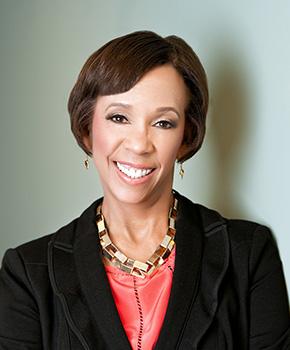

René Nourse, CFP®, is Founder and Managing Director of Urban Wealth Management LLC. Visit www.urbanwm.com to learn more about your financial fitness!

What’s the health of your Finances? Poor – Good – Excellent. Why?
The views expressed represent the opinion of Urban Wealth Management LLC. The views are subject to change and are not intended as a forecast or guarantee of future results. This material is for informational purposes only. It does not constitute investment advice and is not intended as an endorsement of any specific investment. Stated information is derived from proprietary and nonproprietary sources that have not been independently verified for accuracy or completeness. While Urban Wealth Management LLC believes the information to be accurate and reliable, we do not claim or have responsibility for its completeness, accuracy, or reliability. Statements of future expectations, estimates, projections, and other forward-looking statements are based on available information and Urban Wealth Management LLC view as of the time of these statements. Accordingly, such statements are inherently speculative as they are based on assumptions that may involve known and unknown risks and uncertainties. Actual results, performance or events may differ materially from those expressed or implied in such statements. Investing in securities involves risks, including the potential loss of principal. While equities may offer the potential for greater long-term growth than most debt securities, they generally have higher volatility. International investments may involve risk of capital loss from unfavorable fluctuation in currency values, from differences in generally accepted accounting principles, or from economic or political instability in other nations. Past performance is not indicative of future results. The links listed on our website offer direct access or ‘links’ to other internet websites. These sites contain information that has been created, published, maintained or otherwise posted by institutions or organizations independent of UWM. UWM does not endorse, approve, certify or control these websites and does not assume responsibility for the accuracy, completeness or timeliness of the information located there. Visitors to theses websites should not use or rely on the information contained therein until consulting with an independent finance professional. UWM does not necessarily endorse or recommend any commercial product or service described at these websites.
SaveSave
SaveSave